
Alcohol Use and Your Health Alcohol Use
Treating alcohol abuse may be different than for those who are alcohol dependent as this depends on the severity of their disorder. Alcohol dependence is a chronic physical and mental condition where the person is unable to stop drinking without experiencing withdrawal symptoms. Dependence occurs when the body becomes accustomed to the presence of alcohol and requires it to function normally. Continued and frequent alcohol consumption can lead to physical and psychological dependence. Individuals may experience withdrawal symptoms, such as tremors, anxiety, and nausea, when they abruptly reduce or stop drinking.
Can you drink ETOH safely?
This is why drunken people have trouble walking, talking, and remembering things later on. This process happens every time someone consumes alcohol, and happens more intensely as more alcohol is consumed. One of the reasons that AUDs are increasing so much is that alcohol and drinking are socially acceptable—and even expected—in most communities. Twelve-step program These ads portray alcohol as not only harmless but as a way to have fun, enjoy family and friends, and let loose.
How Alcohol Affects the Brain
Recognizing these health risks can encourage people to take the steps necessary to stop excessive drinking. Alcohol withdrawal can cause severe symptoms like seizures or delirium tremens, which can be life-threatening. Not everyone who binges drinks has an AUD but is at a higher risk of developing one. It is important to note that if you have been drinking excessively for a long duration of time, it can be dangerous is ethanol addictive to stop drinking immediately. Acamprosate is typically used to help people who want to stop drinking, and it works by helping to eliminate cravings and restlessness, which can create an increased desire for alcohol. Someone can have an acute instance of alcohol abuse followed by a period of time when they aren’t abusing alcohol.
Addiction Treatment for the LGBTQ+ Community
The severity of the disease, how often someone drinks, and the alcohol they consume varies from person to person. Some people drink heavily all day, while others binge drink and then stay sober for a while. It can cause changes to the brain and neurochemistry, so a person with an alcohol addiction may not be able to control their actions.
- And while many think that alcohol consumption is harmless—after all it’s legal—this is far from the case.
- With the right support and resources, recovery from alcohol addiction is possible.
- Over time, tolerance builds, and withdrawal symptoms appear, increasing dependence.
- When examining why alcohol can be so addictive, it’s important to consider the psychological and emotional factors that contribute to alcohol addiction.
Heritability of Alcoholism
- Sober communities can also share relatable experiences and offer new, healthy friendships.
- A person who needs help for alcohol addiction may be the last to realize he or she has a problem.
- Your susceptibility to alcoholism is typically determined by a combination of genetic, mental health and environmental factors.
The glutamate pathway, which is the major excitatory neurotransmitter in the brain, is also affected by alcohol consumption. Alcohol inhibits glutamate activity, and alterations in glutamate receptors contribute to hyperexcitability and craving during alcohol withdrawal. Targeting the glutamate system with certain compounds can help reduce excessive alcohol consumption. One of the most popular methods that recovering alcoholics use to maintain sobriety involves 12-step programs, such as AA or NA, that follow a specific set of guidelines. Guidelines include admitting powerlessness over one’s drinking habits, believing in a higher power, making amends with people they’ve hurt while under the influence, and more.
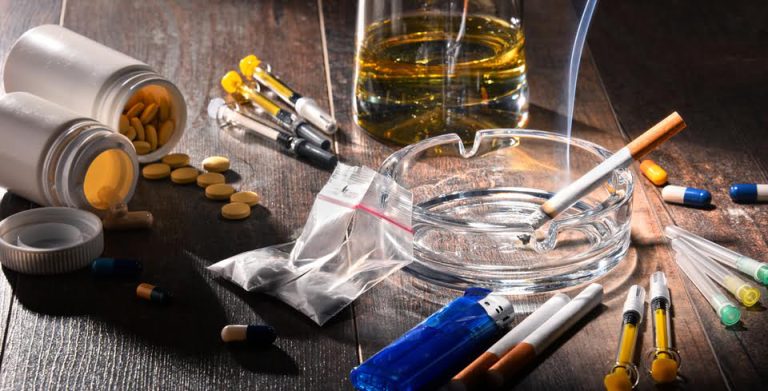
Alcohol disrupts the balance of neurotransmitters in mood regulation, making anxiety and depression more pronounced. This produces a vicious cycle where individuals drink to relieve their symptoms but end up feeling worse, which provokes them to drink even more. Given the factors discussed, how easily someone becomes addicted to alcohol can vary based on their genetics, mental health, social environment and drinking habits. For some individuals, casual drinking may never develop into a problem, while others may quickly spiral into addiction.
For Loved Ones: How to Support a Loved One’s Mental Health
This is because ethanol inhibits the activity of neurons in critical parts of your brain responsible for regulating body temperature, making it harder to stay warm when drinking, even if it is hot outside. Many people who drink alcohol excessively tend to become obese over time due to ethanol’s ability to increase appetite while slowing down the metabolism. This means that you’ll eat more food than usual without burning calories, which can lead to weight gain if unadressed over a long period. It is essential to realize when starting to rely https://india.shooting-stars-foundation.org/2021/05/07/how-sober-living-homes-are-funded-key-financial/ on ethanol for happiness rather than finding ways to solve problems without using drugs. No matter how severe the drinking problem is, treatment can help those with AUD quit alcohol and recover. Consult a health professional to determine the most suitable one for your needs.
While these programs aren’t practical for everyone involved, some studies show they might work better than individual therapies to quit ethanol. While seizures are not expected during ethanol withdrawal, they can happen, and if you or someone you know experiences this, seek emergency help immediately. This is why individuals should reach out for assistance before stopping their use of alcohol to prioritize their safety. Healthcare professionals might need to give them medications or perform surgery in extreme cases where these side effects could endanger their lives. One of the most dangerous side effects caused by ethanol addiction is memory loss.
“Dependence” is used to refer to physical dependence mostly, where a person’s tolerance to a substance as well and the withdrawal symptoms are taken into account. It is considered to be the body’s physical dependence on a substance, without which it starts to deteriorate and have side effects. Over time, this tolerance can turn into physical dependence, where the body needs alcohol to function normally. If the person stops drinking, they may experience withdrawal symptoms like anxiety, sweating, nausea, and even seizures in severe cases.

Alcohol use disorder is a pattern of alcohol use that involves problems controlling your drinking, being preoccupied with alcohol or continuing to use alcohol even when it causes problems. This disorder also involves having to drink more to get the same effect or having withdrawal symptoms when you rapidly decrease or stop drinking. Alcohol use disorder includes a level of drinking that’s sometimes called alcoholism. While they’re not always necessary, support groups are another option individuals might consider trying when stopping alcohol use. These organizations exist worldwide and allow former ETOH users to connect with others who’ve had similar experiences along their road toward recovery.

Deja una respuesta